
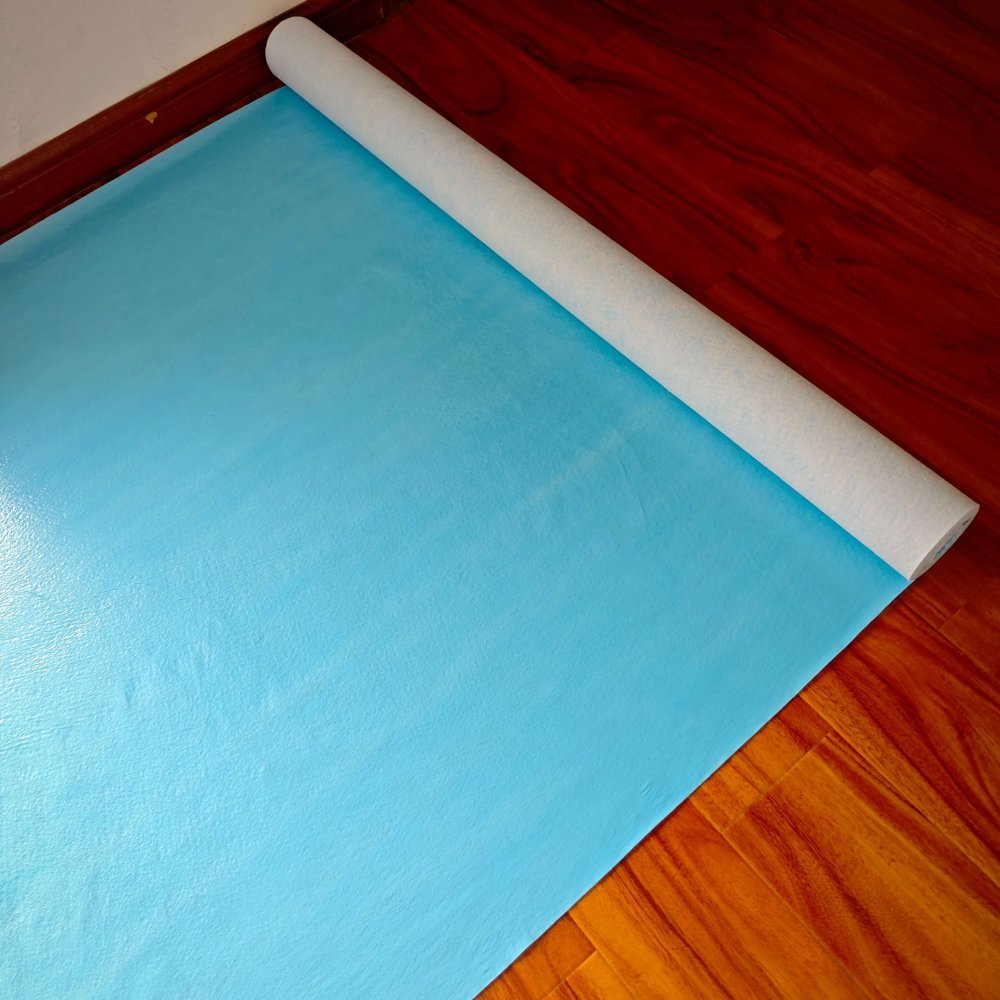
Floor scratches are one of the most common and annoying problems in construction and renovation. Many projects face floor scuffs, abrasion marks, and surface damage after construction, which not only affects the overall decoration effect but also requires a lot of time and money for polishing, repair, and even replacement. For construction contractors, preventing floor scratches in advance is far more efficient and economical than repairing damages afterward. Mastering professional floor protection solutions can effectively reduce project loss and improve construction quality.
To prevent floor damage, we first need to understand the main causes of construction floor scratches.
- The first factor is tool dragging; frequent movement of wrenches, ladders, and construction tools will produce hard friction on the floor surface.
- Second, stacking heavy building materials such as cement, sand, and bricks will cause extrusion and abrasion.
- Third, long-term frequent walking of construction workers increases surface wear.
- In addition, falling cement blocks, gravel, and paint residues will form stubborn scratches and stains on the floor.
Many construction teams still use traditional protective methods, but these methods have obvious shortcomings. Cartons and newspapers are low-cost but easy to soak, break, and shift, unable to resist heavy pressure and friction. Old carpets are reusable but easy to hide dust and mortar residues, causing secondary pollution to the floor. Ordinary thin plastic films are prone to sliding and tearing during construction, with poor overall protection effect. These traditional methods cannot fundamentally avoid floor scratch damage.
Professional construction floor protection film is the most effective solution to prevent floor scratches. Made of high-strength tear-resistant material, it has strong tensile and anti-friction properties, which can isolate the floor from external friction and impact. The tight surface structure can prevent gravel and dust from contacting the floor, and the anti-slip design avoids film displacement caused by walking and tool movement. Whether it is light daily construction friction or heavy material extrusion, it can form a stable protective barrier for the floor.
The standardized protection process can maximize the anti-scratch effect.
- First, thoroughly clean and dry the floor before construction to remove all sharp particles and dust.
- Second, reasonably plan the paving range according to the construction area, lay the protective film flat and orderly, and overlap the joints tightly to avoid gaps.
- Third, fix the edges and corners with special tools to prevent warping and sliding. During the whole construction period, regularly check the film integrity, replace damaged parts in time, and clean surface stains. After the project is completed, remove the film integrally to complete the whole protection work.
For long-term construction projects with a construction period of more than one month, targeted protection skills are needed. It is recommended to use thickened wear-resistant protective film, reinforce the frequently walked passages, and avoid long-term heavy material stacking in a single area. Regularly clean the film surface to prevent hard particle accumulation from causing secondary scratches. Store the film in a dry and ventilated environment when not in use to extend the service life.
In short, using professional floor protection film and standardized construction protection processes can completely solve the problem of construction floor scratches. It is a low-cost and high-benefit protection measure for construction projects. If you need bulk high-quality anti-scratch floor protection film for your project, welcome to consult us for professional procurement solutions.